IOS Panel Discussion on “Changing Strategic Architecture in the Gulf: Implications for India and the Middle East”
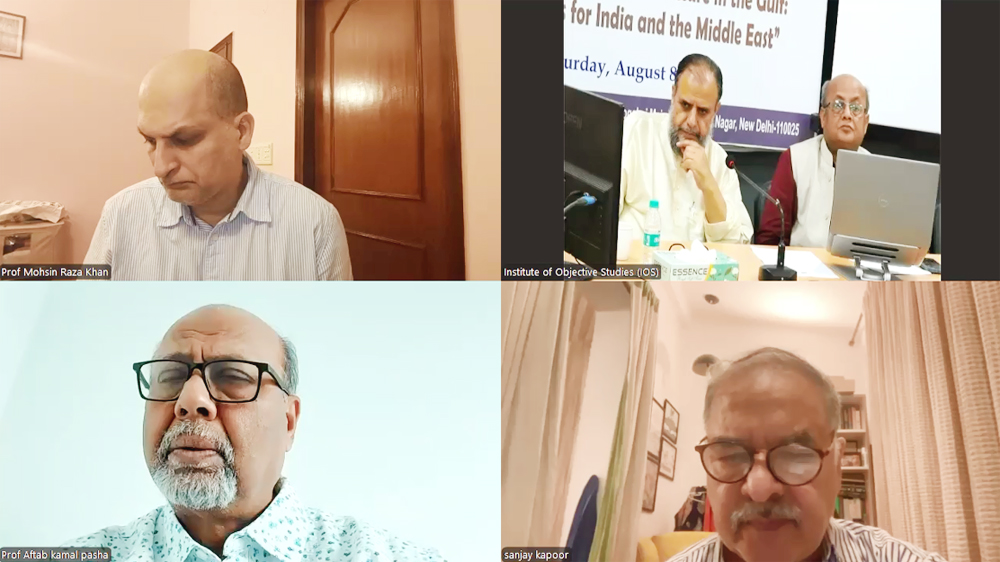
IOS Panel Discussion on “Changing Strategic Architecture in the Gulf: Implications for India and the Middle East”
New Delhi: An online panel discussion on “Changing Strategic Architecture in the Gulf: Implications for India and the Middle East” was organised by the Institute of Objective Studies (IOS) on August 8, 2026.
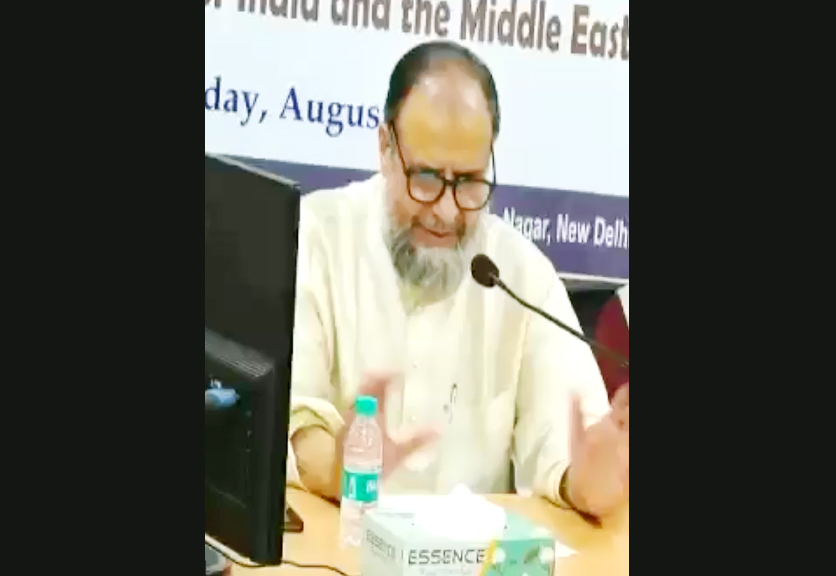
The discussion began with a brief introduction to the topic by the Chairman of the IOS, Prof. M. Afzal Wani. He observed that every nation and every individual faced certain universal challenges, and that the world today was witnessing their repercussions. The Gulf nations, he said, were confronting cultural, social and economic problems, while polarisation was increasing. The key question, therefore, was how equilibrium could be maintained in international relations.

The first panelist, Prof. Aftab Kamal Pasha, former Associate Dean, Director and Chairman of Gulf Studies at the School of International Studies, Jawaharlal Nehru University, New Delhi, described the discussion as timely in view of the prevailing situation in West Asia. Referring to the genocide in Gaza, he said the Gulf’s security architecture had been shaped largely by the United States, which had sought to bring Iran under its influence for nearly 45 years. Attempts to change the Iranian regime, he added, had failed due to Iran’s defensive policies.
Prof. Pasha said Iran had expanded its regional influence through Iraq and Syria and supported groups in the region to deter Israeli military action. At the same time, the US had established several naval bases in Gulf countries and continued to provide them with military and strategic support. Israel had also strengthened its regional position with US backing, while Russia and North Korea had entered the broader strategic equation.
He argued that Iran had developed an extensive regional support network and emerged as a significant power. The inability of the US to overpower Iran, he said, demonstrated its growing strategic importance. Iran’s position around the Strait of Hormuz was particularly significant for global maritime trade. He also highlighted the Shia-Sunni dimension of the conflict and stressed the need to assess its implications for India’s security, trade and commerce.
Prof. Pasha observed that India was being overshadowed by Pakistan, which enjoyed US support, and suggested that Pakistan and Iran might move closer. He also noted that several Gulf countries received military and technical assistance from the US, which conflicted with Iranian interests.
Referring to the Bab al-Mandab Strait, he said that around 38 per cent of global trade passed through the route and underlined its historical importance for India’s trade. He maintained that China and Russia were supporting Iran, while the Gaza conflict had also drawn their attention. Rejecting the view that Iran had become weak, he said the country could recover from its economic difficulties despite sanctions and disruptions to oil, gas and fertiliser trade.
He further observed that Israel’s international image was being affected by the growing demand for a Palestinian state and said that the UAE had reduced its economic engagement with Israel. He concluded that Iran could become increasingly competitive with the Gulf countries and the GCC, while regional developments could lead to closer Pakistan-Iran ties.
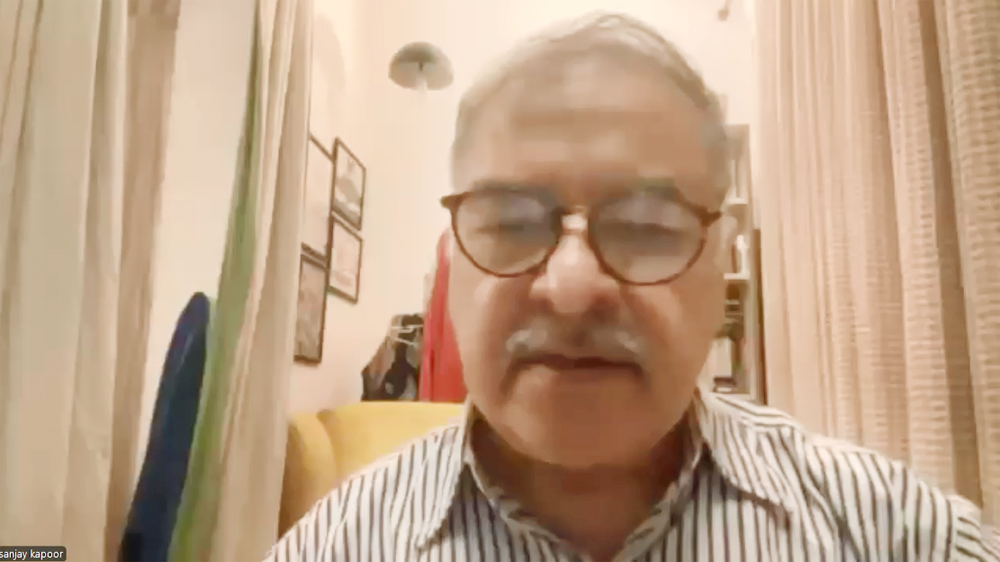
Mr. Sanjay Kapoor, senior journalist and editor of The Hard News, New Delhi, observed that the war was not over and could continue. Although Iran appeared powerful, he argued, its actual capabilities were more limited. Israel had failed to overthrow the Islamic regime in Iran, while US sanctions had placed considerable pressure on the Iranian economy.
Mr. Kapoor said that Iran had relied on older weapons during the conflict but had also employed artificial intelligence in warfare and continued to challenge Israel. He maintained that Iran was not economically strong because of the sanctions and was struggling to have them lifted in order to revive its economy. Although Iran’s military capabilities had been significantly weakened, he said, the country had nevertheless demonstrated remarkable resilience and strength.
On the other hand, Bahrain, Kuwait and Saudi Arabia continued to enjoy US protection. Referring to the alliance involving Pakistan, Saudi Arabia and Turkey, Mr. Kapoor described it as being in a transitional phase. He characterised Pakistan as a skilled negotiator and argued that it was unlikely to take military action against Israel because of its dependence on US support. He also noted that women in Iran were protesting against the government.
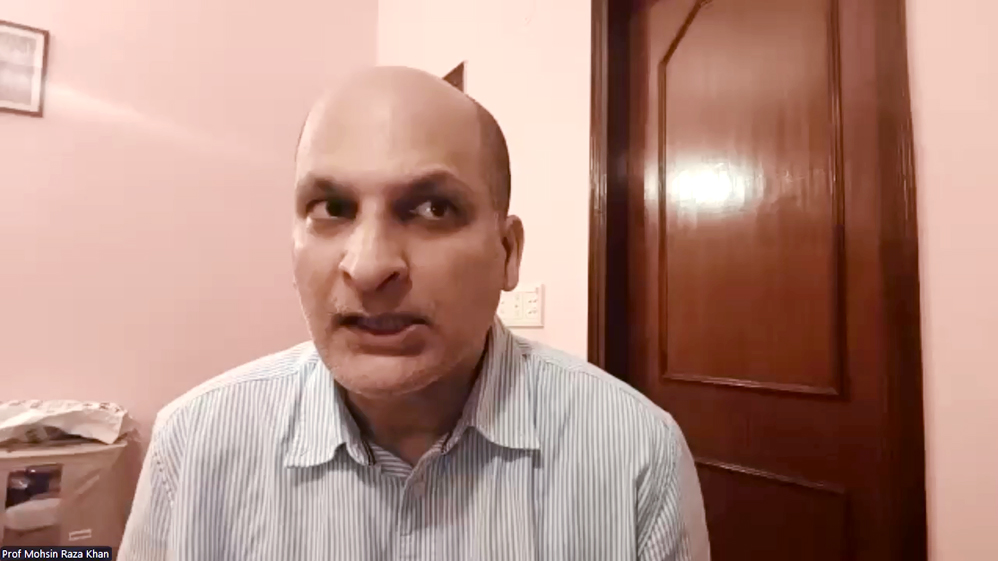
Prof. Mohsin Raza Khan, Associate Dean at O.P. Jindal University, Sonepat, pointed out that Iran could not become a very powerful nation because its resources and capabilities had been constrained by US sanctions. He said that Iran could hold the Strait of Hormuz for a considerable period because of pressure from conservative forces. He also highlighted the country’s high unemployment rate, weak economy and rising prices. According to him, Iran was seeking to generate revenue from the Strait of Hormuz.
Prof. Khan observed that the US political leadership would have a decisive influence on the future course of the conflict. For India, he said, securing remittances from the Gulf region was particularly important. He argued that Israel was determined to launch further attacks on Iran and that the conflict could also have implications for US elections.
Referring to the Abraham Accords— a series of US-brokered agreements signed in 2020 that established formal diplomatic, economic and security relations between Israel and several Arab and Muslim-majority countries—Prof. Khan said that the agreements were not viewed favourably by Turkey. He argued that Israeli hegemony in the region was being continuously strengthened and that the restoration of peace would depend largely on the manner in which the United States responded to the crisis.
He further stated that US policy could come under pressure because of rising prices and argued that only the United States could effectively restrain Israel. Much, he added, would depend on the outcome of the US presidential elections.
Prof. Khan criticised India’s policy towards Israel, describing its decision to become an ally of Israel as a strategic mistake. He claimed that India was supplying arms to Israel and that this was now in the public domain. In response to this development, he said, Pakistan had signed the Mecca Joint Defence Agreement. He observed that 60–65 per cent of India’s arms were of Russian origin, while around 30 per cent were supplied by Israel. He further claimed that Prime Minister Narendra Modi had visited Israel two days before the Israeli attack on Iran.
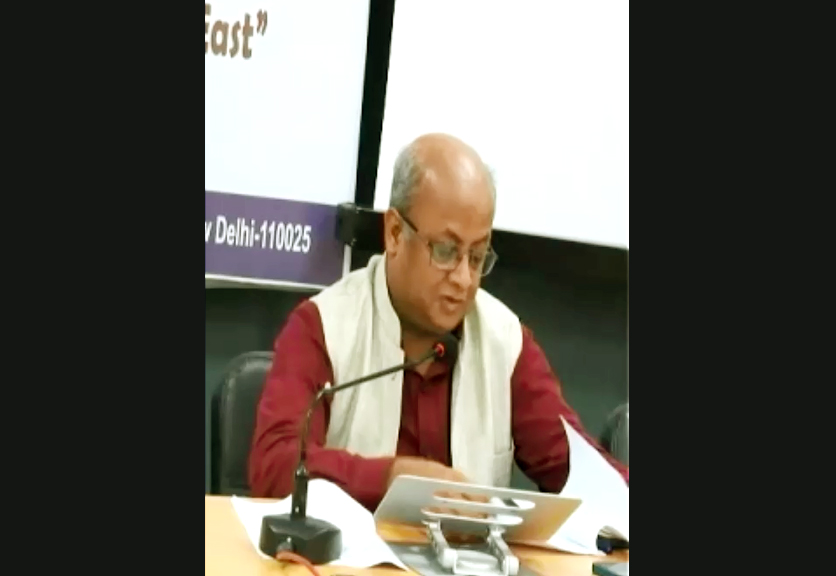
Earlier, in his welcome address, the Secretary General of the IOS, Mohammad Alam, stated that the institute, established in 1986, was committed to promoting objective, value-based and interdisciplinary research on issues of contemporary national, regional and global significance. Through its research, publications, seminars and academic engagements, the institute sought to contribute to informed debate and a deeper understanding of important issues.
Focusing on the theme of the discussion, Mr. Alam said that the Gulf region was passing through a period of profound transformation. Its strategic importance, he observed, could no longer be understood solely in terms of energy security or oil markets. The region was increasingly emerging as an important centre of diplomacy, investment, technology, connectivity, economic diversification and strategic partnerships.
Consequently, he said, the strategic architecture of the Gulf was becoming increasingly fluid and multidimensional. Regional powers were seeking greater strategic autonomy while simultaneously expanding their engagement with major global powers. Traditional partnerships were being recalibrated, new relationships were emerging, and regional diplomacy was assuming greater significance.
For India, Mr. Alam said, these developments were particularly important because India’s relationship with the Gulf had evolved substantially. What had once centred primarily on energy, trade and the Indian diaspora had developed into a broader strategic partnership encompassing investment, infrastructure, technology, connectivity, maritime security, energy and food security, as well as emerging areas of economic cooperation.
He emphasised that the human dimension of this relationship was equally significant. Millions of Indians lived and worked in the Gulf, creating deep and enduring socio-economic and cultural bonds between India and the region. These connections, he said, provided an important foundation for India’s long-term engagement with the Gulf.
Within this changing regional landscape, Mr. Alam noted, Saudi Arabia occupied a particularly important position. The Kingdom was undergoing a far-reaching transformation driven by its economic diversification and national development agenda. Its efforts to attract investment, develop new sectors, strengthen connectivity and expand international partnerships were reshaping not only its own economy but also its role in the wider regional and global order.
For India, therefore, the evolving relationship with Saudi Arabia and the wider Gulf presented both opportunities and strategic responsibilities. India would need to navigate a changing regional environment while advancing its interests in energy security, economic growth, connectivity, maritime security and regional stability.
Mr. Alam concluded by stressing that the changing Gulf presented opportunities not only for strategic competition but also for dialogue, cooperation, economic partnership, connectivity, peace and stability.
In his presidential remarks, IOS Chairman Prof. M. Afzal Wani described the current situation as uncertain and said that people were apprehensive about the future. At the same time, he noted that there were encouraging developments and emphasised the need for peace and equilibrium. He observed that people held different views on warfare and struggle and stressed that faith and culture should be respected.
Prof. Wani said that, as a nation-state, Iran had gained an advantage over several other regional actors. He noted that Saudi Arabia possessed a strong economy and abundant resources and was also promoting its cultural development. Saudi Arabia, he suggested, could play an important role in investing in culture and economic development while respecting the cultures of other nations.
He observed that Saudi Arabia had achieved sustained development and possessed a trained workforce and considerable economic potential. He stressed the need for stronger relations among the Gulf countries. Referring to the Mecca Joint Defence Agreement between Pakistan and Saudi Arabia, he said that the agreement could also help strengthen economic cooperation among the participating countries.
Prof. Wani emphasised that Saudi Arabia had an important role to play in cultural development and expressed the hope that the signatories to the agreement would not seek to dominate one another. He also suggested that the United Nations should be given greater authority and effectiveness to deal with conflicts and crises anywhere in the world.
He concluded by stressing the need to expand international trade and ensure that global forums remained open to all countries, irrespective of the faith of their populations or member nations.
At the end of the seminar, Prof. Wani extended a vote of thanks to all the panelists and attendees.
Go Back