IOS-Civil Society Network organises release program of the book “Akhiri Umar ke Challenges: Zaeefi ki Aazmaishein’
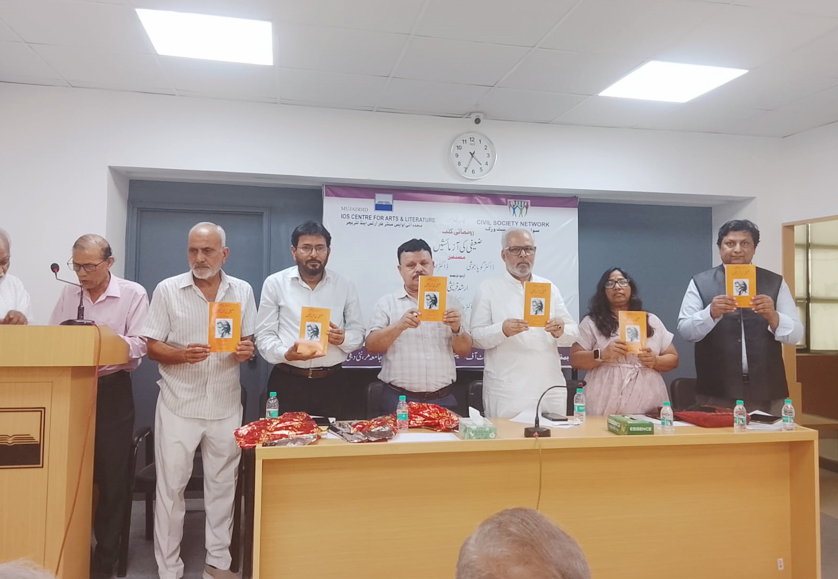
IOS-Civil Society Network organises release program of the book “Akhiri Umar ke Challenges: Zaeefi ki Aazmaishein’
New Delhi: The book Akhiri Umar ke Challenges: Zaeefi ki Aazmaishein (Challenges of the Last Phase of Life: Tribulations of Old Age), authored by Dr. Gopa Joshi and Dr. Onkar Mittal in Hindi and translated into Urdu by Mr. Arshad Qureshi, was released at a function jointly organised by the Mujaddid IOS Centre for Arts and Literature and the Civil Society Network at the IOS Auditorium on June 13, 2026.
The programme commenced with the recitation of verses from the Holy Qur'an by Nasim Ahsan of the Arabic Section of the Institute of Objective Studies (IOS), who also presented their Urdu translation.
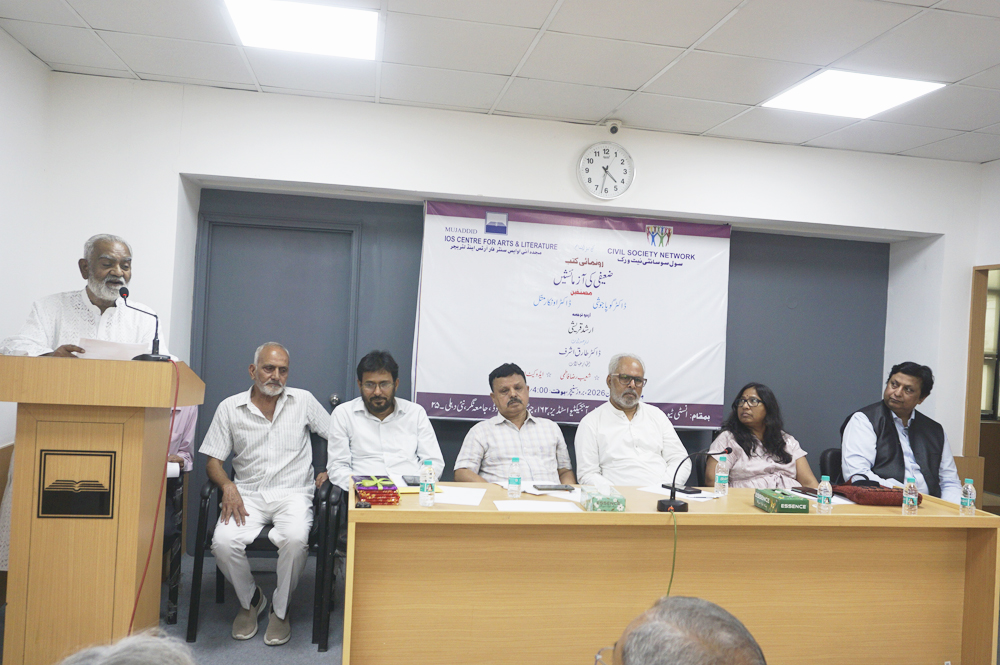
Introducing the book and its authors, Mr. Anjum Naim, Convener of the Mujaddid IOS Centre for Arts and Literature, said that Dr. Onkar Mittal had long been associated with the IOS in various capacities and had undertaken several projects related to surveys of Delhi's urban infrastructure. Referring to the book, he observed that it provides valuable insights into the difficulties faced by senior citizens and initiates a meaningful discourse on their care and society's responsibility towards them. He described the Urdu translation as a significant addition to Urdu literature and congratulated both the authors and the translator.
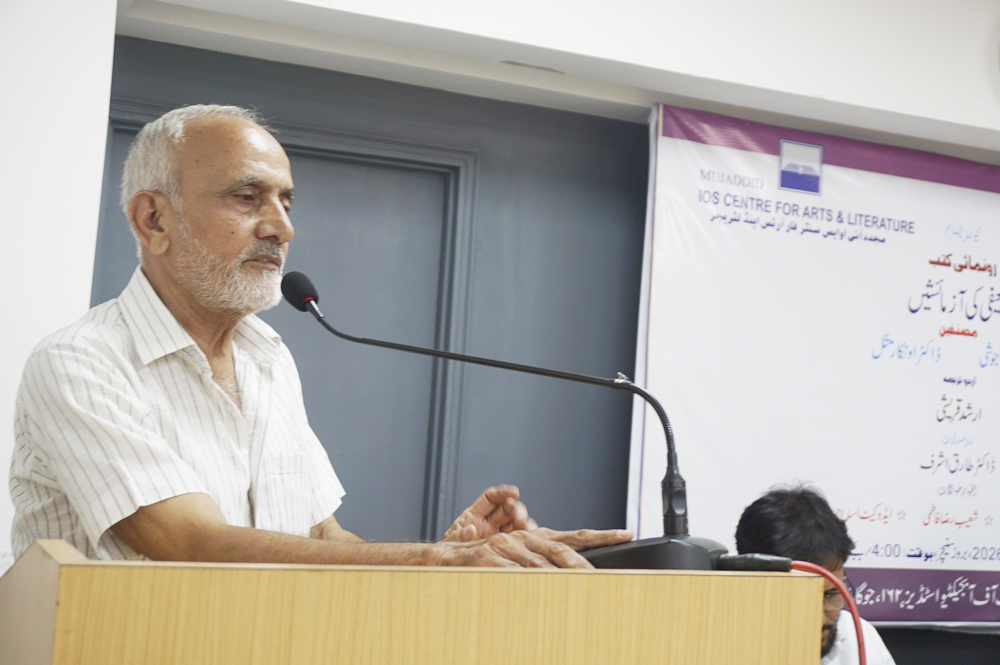
Speaking on the occasion, translator Mr. Arshad Qureshi admitted that before reading the book, he had never considered old age as a subject worthy of detailed discussion. He recalled his long association and friendship with Dr. Onkar Mittal, who had encouraged him to read the manuscript. After reading it, he realised that old age is an important social issue that deserves wider public attention, particularly among students.
Mr. Qureshi noted that Dr. Gopa Joshi's personal experience of caring for her ageing mother had deeply influenced the writing of the book. He observed that until about twenty-five years ago, very few non-governmental organisations in India focused on issues affecting the elderly. While the government has enacted several welfare measures for senior citizens, he stressed that old age remains an issue requiring compassion, empathy and moral responsibility. He also suggested that the book should be made available in madrasas across western Uttar Pradesh, where it could help sensitise both teachers and students.
The function was presided over by Dr. Tariq Ashraf, Founder of the Civil Society Network, who formally released the book. Senior Urdu Journalist and poet, Mr. Arshad Nadeem, conducted the proceedings.
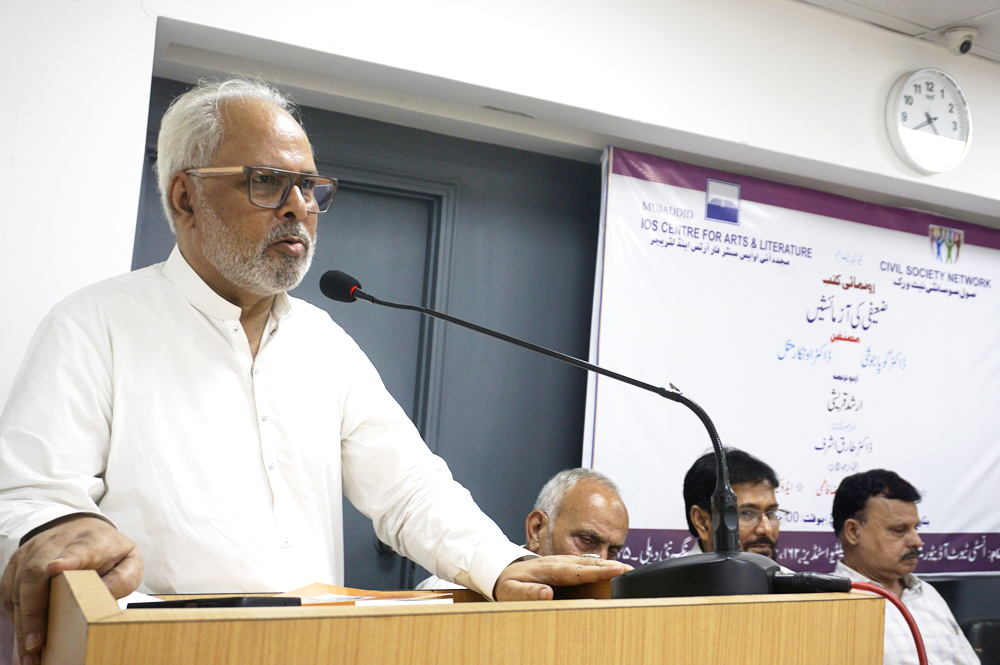
Editor of the Urdu daily Hamara Samaj, Mr. Shoeb Raza Fatimi, congratulated the organisers for holding a programme on such an important subject. Drawing upon his five decades of experience as a journalist and commentator, he remarked that he had rarely come across a book dealing so comprehensively with the challenges faced by elderly people.
He observed that while caring for parents was once deeply embedded in Indian society, changing social realities had left many elderly people neglected despite the sacrifices they had made for their children's education and progress. He praised the authors, particularly Dr. Gopa Joshi, for presenting these realities with remarkable sensitivity. Stressing that neglect of the elderly had become an alarming social problem, he urged senior citizens to plan for their own future while continuing to support their children.
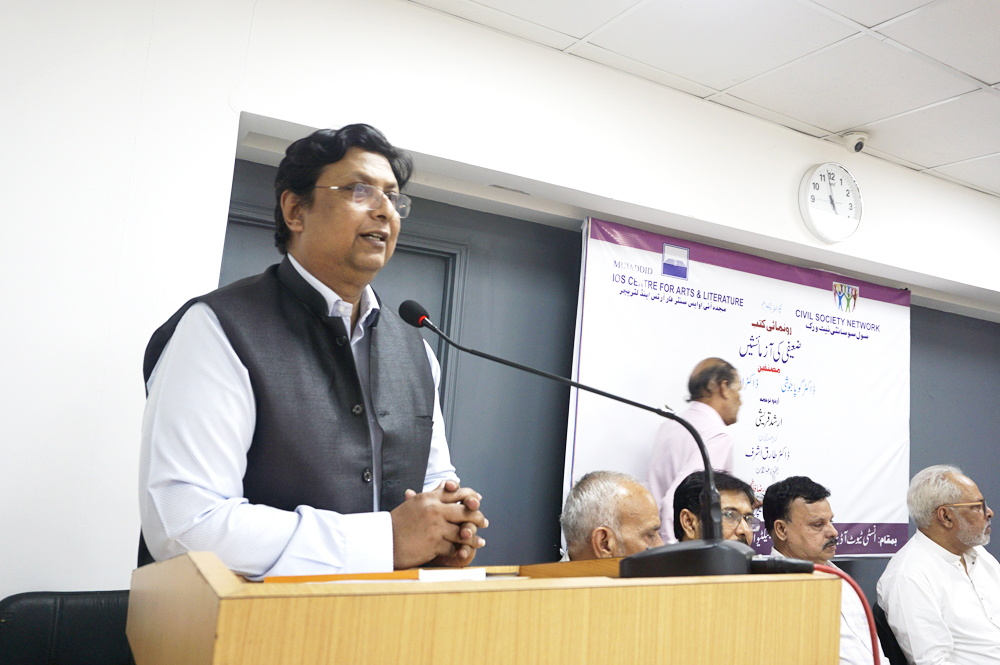
Advocate Mr. Aslam Ahmad described the book as an important contribution on a highly sensitive issue that deserved wider public debate. Referring to Islamic teachings, he noted that the Prophet Muhammad (peace be upon him) laid great emphasis on kindness towards the elderly as well as compassion for animals. He pointed out that the Indian Constitution, through the Directive Principles of State Policy, also encourages respect and care for elderly citizens.
He observed that the Maintenance and Welfare of Parents and Senior Citizens Act, 2007 provides maintenance support for senior citizens but argued that the prescribed financial assistance should be enhanced in view of rising living costs. He concluded that the treatment of the elderly, animals and marginalised communities is an important measure of a civilised society.
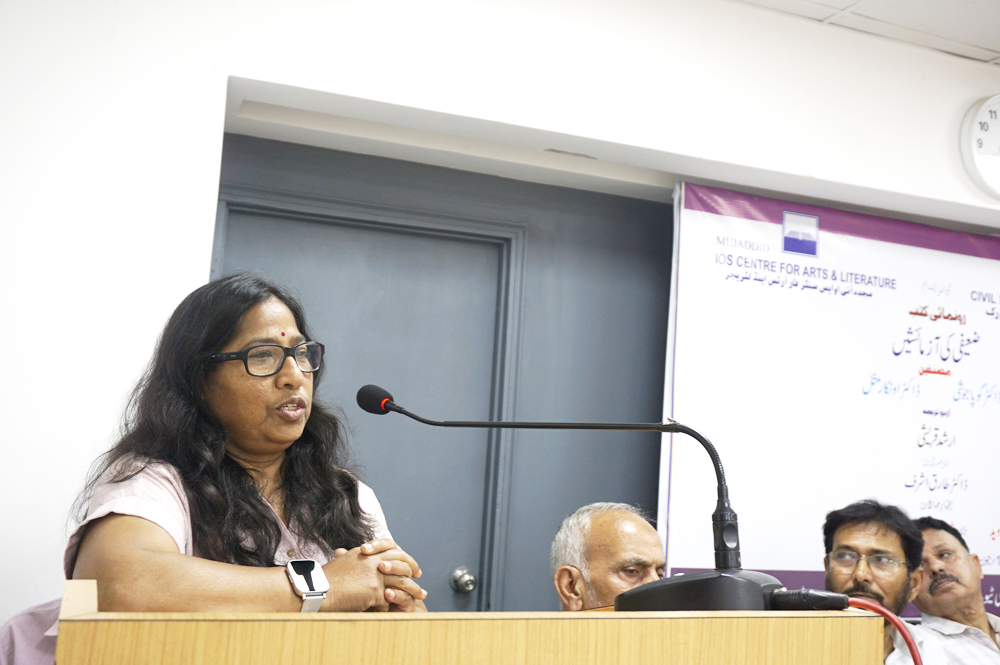
Social activist Ms. Anita Bharti observed that translation is a demanding and responsible literary task. Referring to Premchand's celebrated story Boodhi Kaki, she highlighted the long literary tradition of portraying the hardships of old age. Appreciating Mr. Arshad Qureshi's translation, she expressed concern over the increasing neglect and abuse of elderly people, both within families and in society at large.
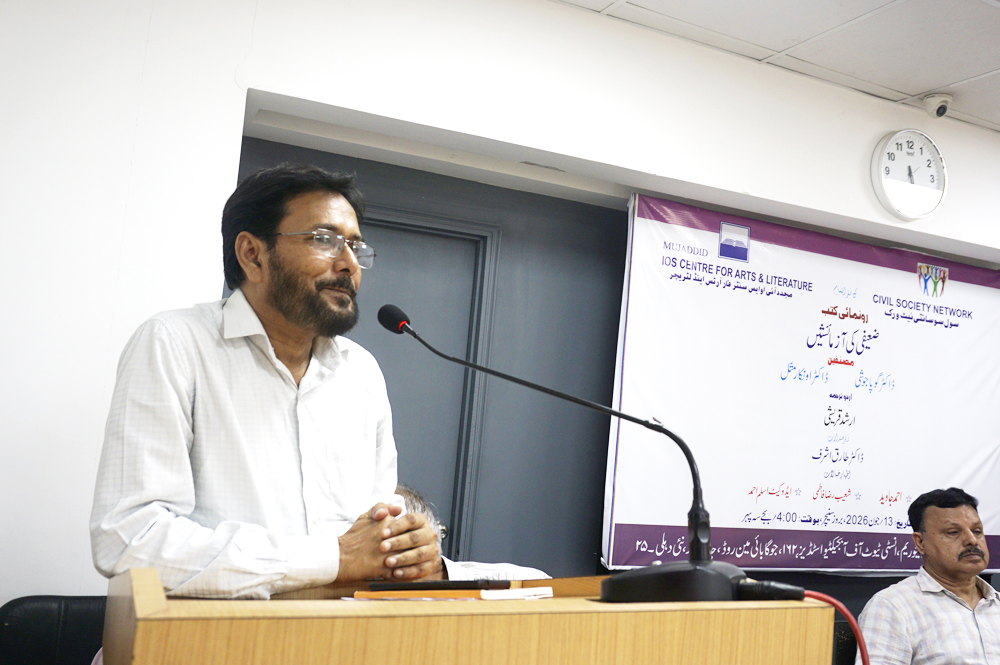
Former Editor of the Urdu daily Inquilab, Mr. Ahmed Javed, referred to Surah Bani Isra'il, which commands believers to show kindness and respect to their parents. He observed that every religion advocates honouring the elderly and recalled that the Charter of Madina also contained provisions for supporting the poor and vulnerable.
He noted that Islamic teachings establish a strong tradition of social responsibility and support for those without means of livelihood. Describing the book as a valuable literary contribution, he said it would encourage readers to reflect upon their responsibilities towards ageing parents. He advised elderly people not to lose hope, urged families not to isolate them, and stressed the importance of regular healthcare and awareness programmes promoting dignity and respect for senior citizens.
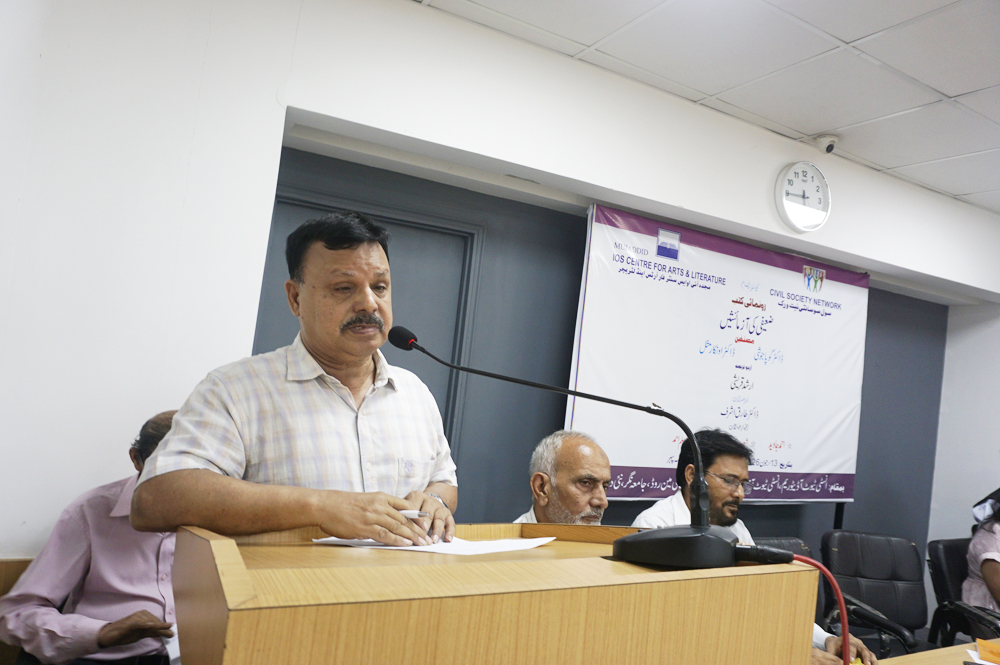
In his presidential address, Dr. Tariq Ashraf recalled his long association with Dr. Onkar Mittal, whom he first met in 1998 at his Daryaganj clinic. He also referred to the three surveys on Delhi's urban infrastructure that Dr. Mittal conducted in collaboration with the Institute of Objective Studies under the guidance of its Founder and Chief Patron, the late Dr. Mohammad Manzoor Alam.
Dr. Ashraf observed that old age presents multidimensional challenges affecting health, finances and social relationships. He advised senior citizens to maintain financial independence and to realistically assess their children's financial capacity before depending upon them for support.
The programme concluded with a vote of thanks delivered by Mr. Anjum Naim, who expressed satisfaction over the enthusiastic participation of the audience and thanked all those who contributed to the success of the event.
A view of Audience.
Go Back